Menu Close

Tag: #365blogpostsin365days

{Do you know} Remove bulk system administrator from Power Platform using Powershell Script.

Hello Everyone,

Today i am going to show how to remove bulk system administrators or any specific role using PowerShell Script.
Let’s get’s started.

New Microsoft Release feature details: Enables you to have better control over security in Dataverse environments. You can easily produce a list of users assigned to the system administrator role and remove assignments as needed.

Suppose your organisation have a lot of system administrators and global admins or power platform admins can run this Powershell scripts to remove bulk system administrators.

How do you do that ?

You will following list to run the script.

1. Install Visual Studio 2017 or higher

2. Install the .NET Framework 4.6.2 Developer Pack

3. Open the solution file (Microsoft.PowerPlatform.Administration.Powershell.sln) in administrator mode and build the solution.

4. Open PowerShell in administrator mode.

5. Set Execution Policy to Unrestricted.

6. Import the Microsoft.PowerPlatform.Administration.PowerShell module, as shown below.

cd Microsoft.PowerPlatform.Administration.Powershell
Import-Module .\Microsoft.PowerPlatform.Administration.UserManagement.psm1

7. Run the command of your choice from the following Powershell commands, click here.

8. Each command will prompt the user to provide credentials when connecting to Dataverse.Enter a user principla name and password.

Powershell commands.

1. Generate reports of role assignments
2. Remove role assignments from given list of users.
3. Add role assignments for a given list of users.

Share this:

{Do you know} Modern security role editor through Power Platform Admin Center

Hello Everyone

Today i am going to show how to edit the security role from Power Platform Admin Center.

Let’s get’s started.

Normally if we have a requirement to edit the security role to add additional privileges then we login into Classic view of Dynamics 365 and Settings > Security > Open the security role and edit.

Now with the new feature update from Microsoft to edit the security roles from the Power Platform Admin Center.

Login into www.admin.powerplatform.microsoft.com

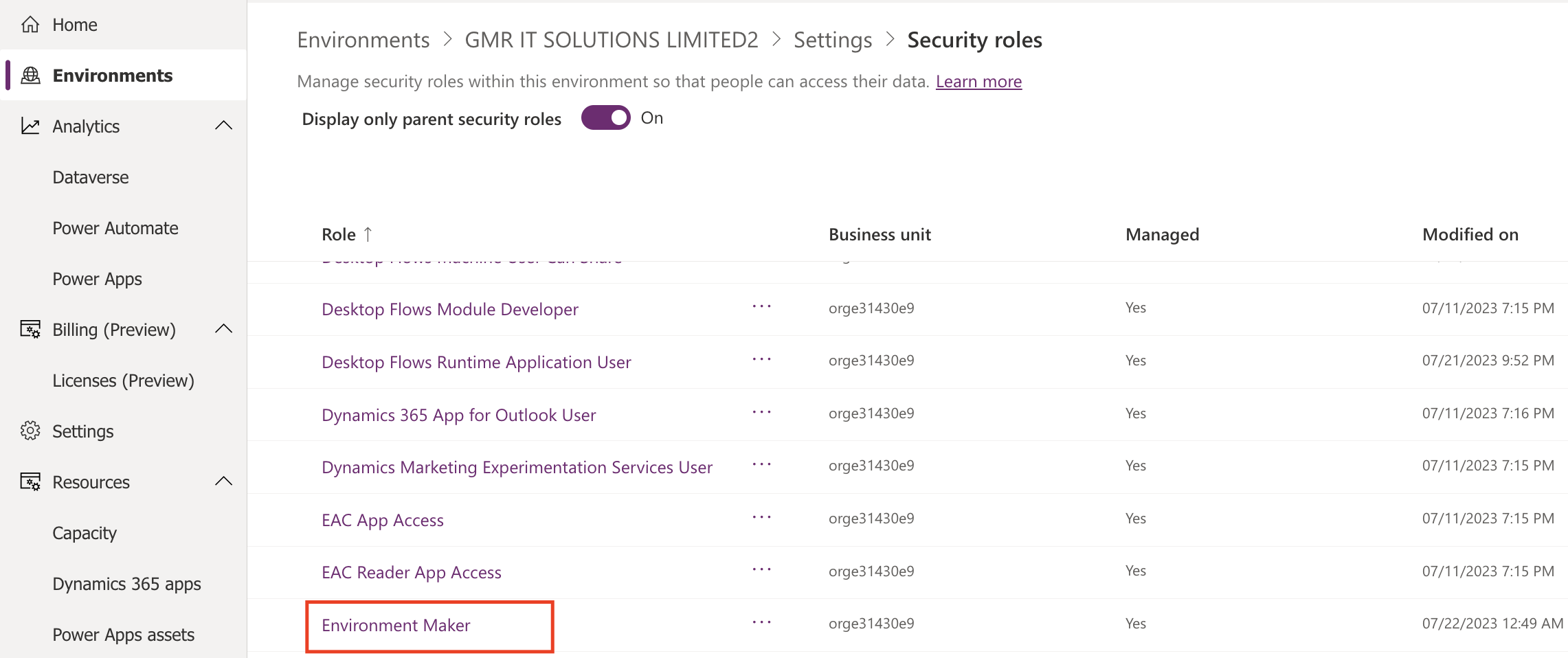
Then choose the environment and Settings > Security roles

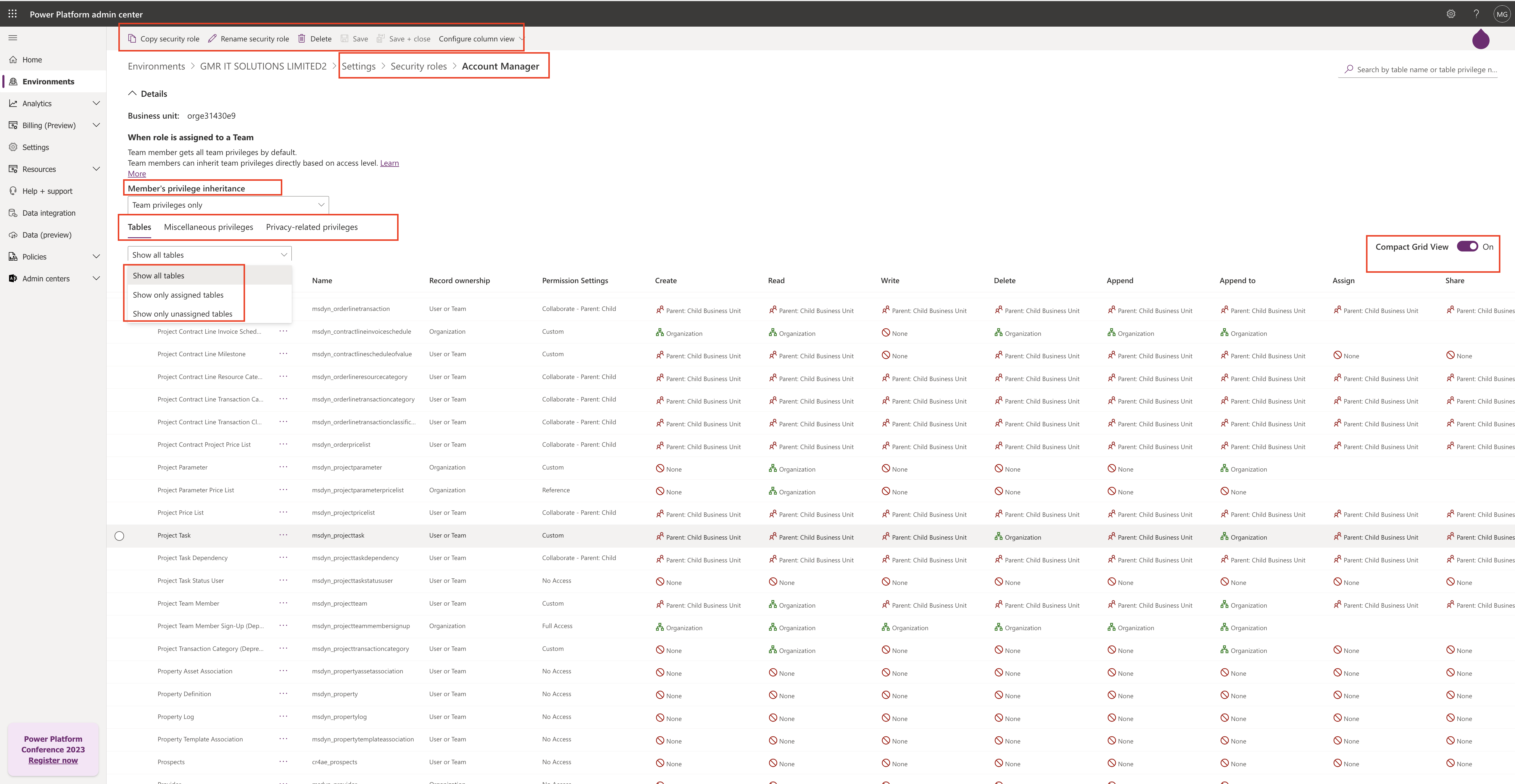
As you can see the modern security role editor in Power Platform Admin Center with Compact Grid View.

1. You can rename the security role.

2. Copy the existing security role.

3. Delete your unmanaged security role.

4. Configure column view such as Record ownership, Permission Settings, Create, Read, Write, Delete, Append, Append to, Assign, Share – permissions.

5.Membership Privilege inheritance: Team privileges only, Direct User(Basic) access level and team privileges.

6.Tables, Micellaneous privileges, Privacy-related privileges – you can set by selecting each of those options.

That’t it for today.

I hope this helps
Malla Reddy(@UK365GUY)
#365BlogPostsin365Days

Share this:

Environment Maker and Basic User Security roles are not updateable anymore

Hello Everyone,

Today i am going to share one key information which is released by Microsoft for Power Platform.

Let’s gets started.

Normally if you want to create a new security role with some previleges to be applied, then we are going to copy the existing and make changes to the new security role. So new update is you can’t update the Environment maker and basic roles directly.

There is new update from Microsoft that Environment and Basic users role are non customizable as to meet SLA and only be maintained when these roles are protected from being updated.

The environment maker and basic user security roles are managed and shipped by the platform and are marked as non updateable. These security roles are maintained by Microsoft services and privileges are continuosly updated by them to run their services smoothly.

Power Platform admins can view the list of privileges of these security roles from the admin role form, but they can’t update the privileges. Power Platform admins can continue to copy these privileges to another role. but they can’t update the role.

That’s it for today

I hope this helps
Malla Reddy(@UK365GUY)
#365BlogPostsin365Days

Share this:

{Resolved} errorCode 2147746405 message Not met the condition above in Dynamics 365

Hello Everyone,

Today i am going to show how to resolve this error message:

{“ActivityId”:”1da96950-c9f1-43d4-93c8-4a1bf6c1db02″,”errorCode”:2147746405,”message”:”Not met the condition above”,”stacktrace”:””,”Timestamp”:1690876001672}

Suppose when you try to qualify the lead to convert into Opportunity then this error might appear.

How to resolve this error message:

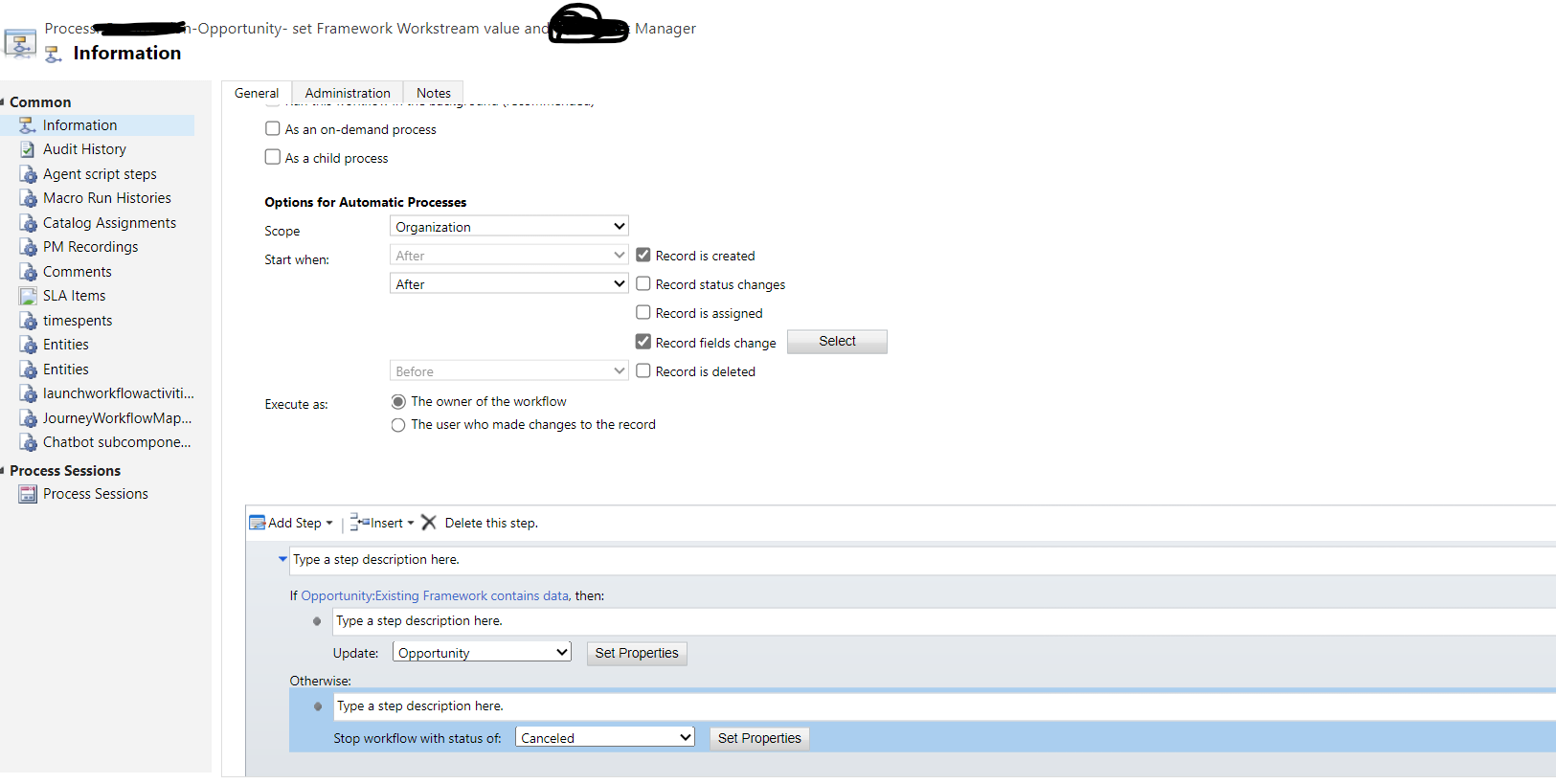
There is a workflow which needs to be amended as the workflow checking for the conditions to be met.

the workflow is checking for opporttunity business process flow stage column needs to auto populate when workstream field have value in it, it is on create or update of the opportunity.

But the workflow has a another condition if the above is not met then cancel the opportunity, so it is causing error in my scenario.

So i removed the else condition that would cancel the opportunity then the error message is resolved.

That’s it for today.

I hope this helps
Malla Reddy(@UK365GUY)
#365BlogPostsin365Days

Share this:

Browser level settings for auto save on Canvas App Power Apps

Hello Everyone,

Today i am going to show how to enable browser level settings for Auto Save of the changes made on Canvas App.

Let’s get’s started.

Suppose you want to save the changes you have made on your Canvas App automatically, you can do that from canvas app settings.

How do you do that ?

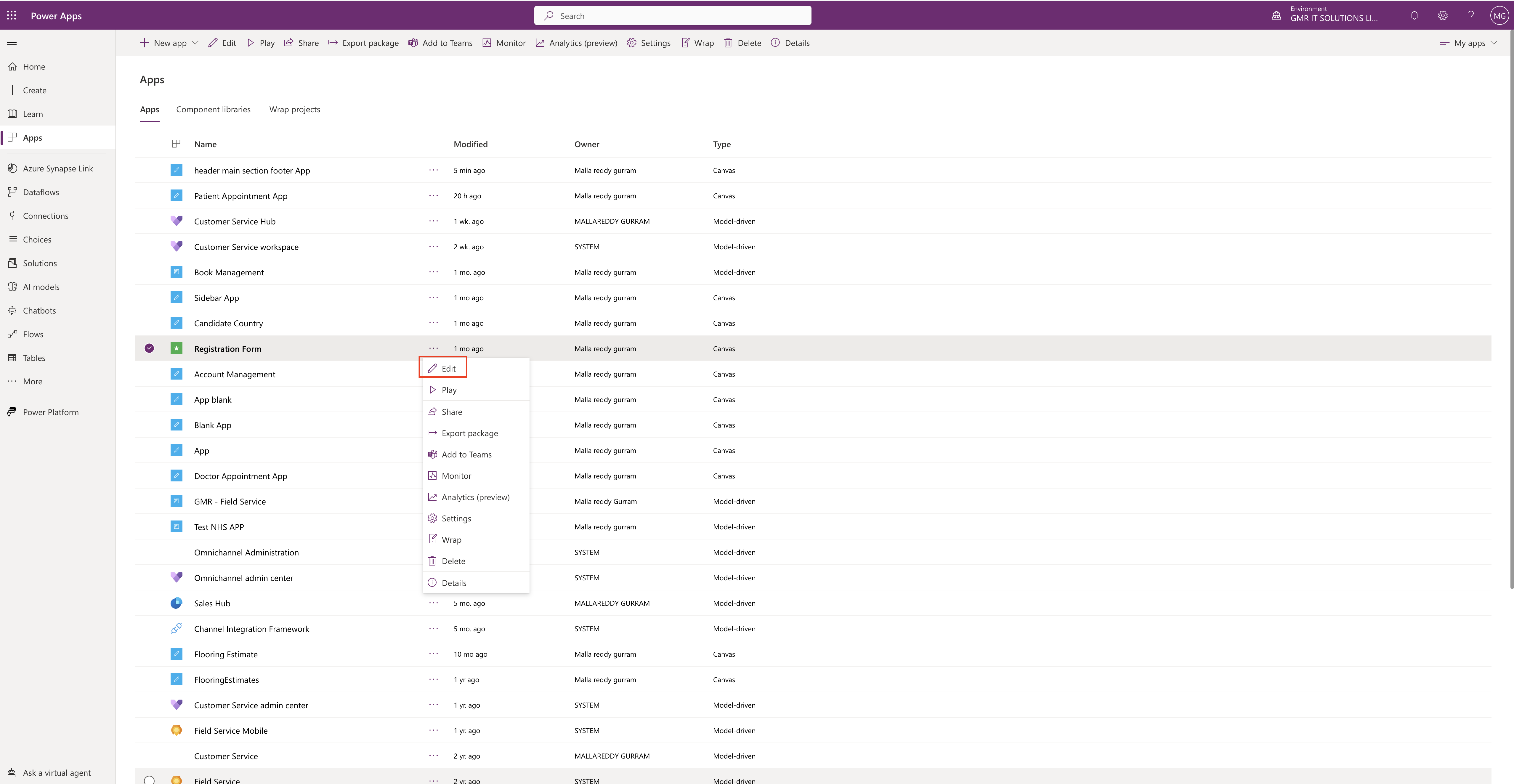
Open Canvas App and edit.

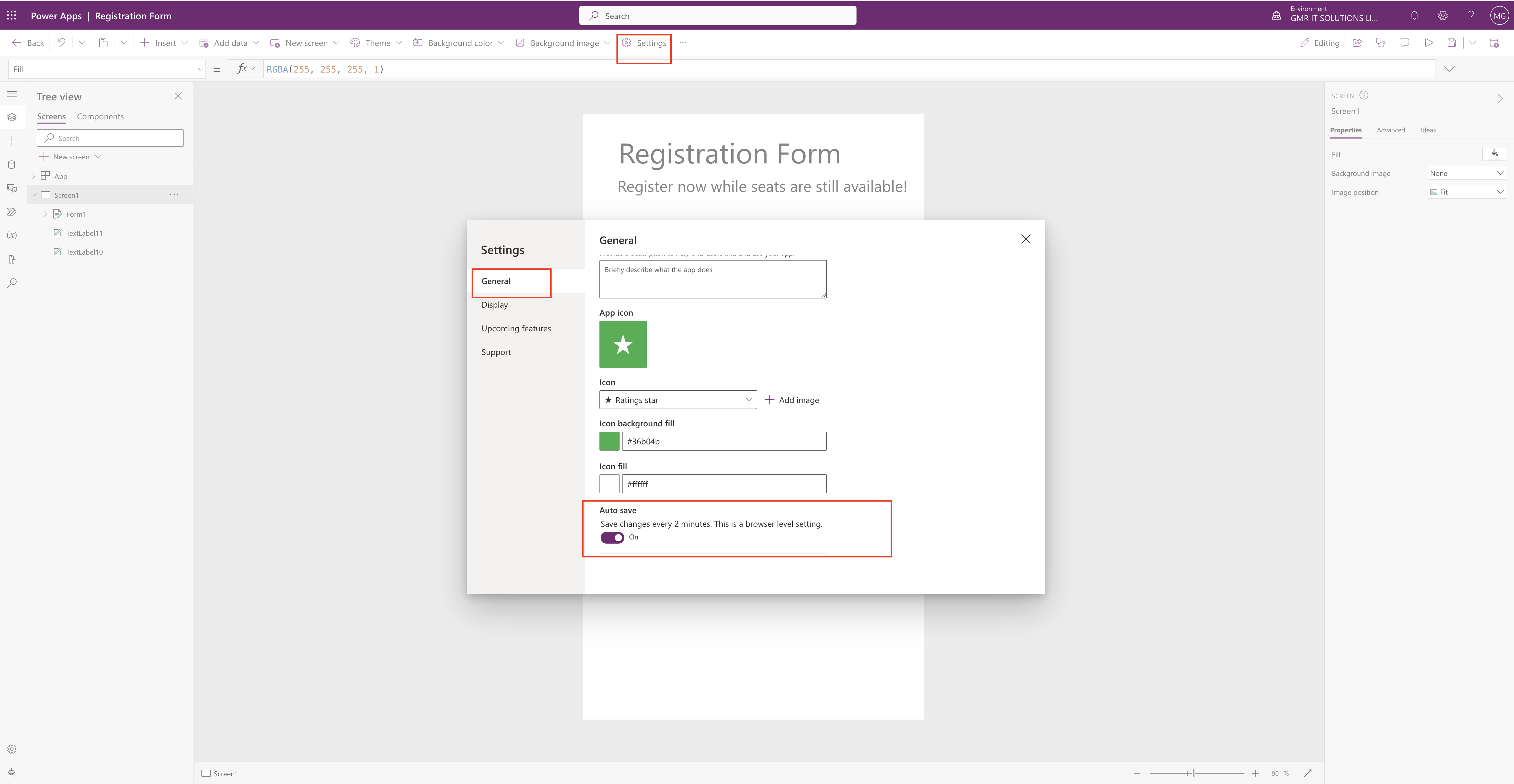
Once the Canvas App is opened then open settings.

Auto Save: Save changes every 2 minutes. This is a browser level settings = ON.

That’s it for today.

I hope this helps.
Malla Reddy(@UK365GUY)
#365BlogPostsin365Days

Share this: